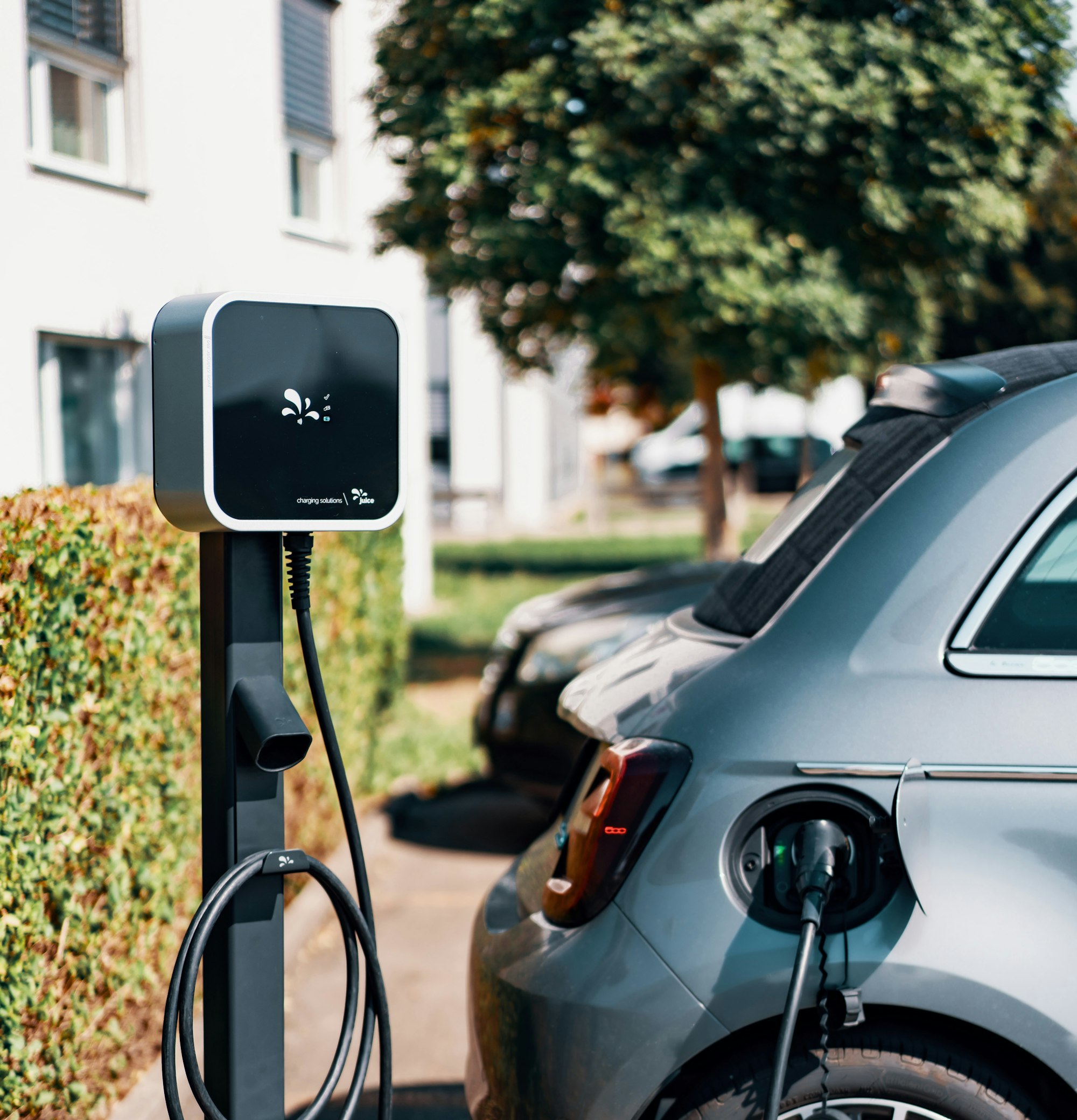
Multi-Family & HOA EV Charging in Lake Forest
Load-shared and individually metered charging for condos, apartments, and HOA communities across Lake Forest, including the association-governed tracts around Lake Forest Drive and Rockfield Boulevard.
Charging in Shared Parking, Without the Standoff
Multi-family and HOA EV charging in Lake Forest usually arrives as a governance problem wearing an electrical costume. The wiring is solvable. The hard parts are who pays for the electricity, who owns the equipment, what happens at resale, and how the association avoids approving something that cannot scale when the next four residents ask.
Lake Forest EV Charger works on both sides of that. For individual owners, we install a metered charger in your assigned space and hand you the documentation the board will ask for. For boards and property managers, we design community-wide infrastructure with load sharing and individual metering so consumption lands on the right resident and the building's service never gets overrun.
California law gives residents meaningful rights here, and a plan that respects both the resident and the association tends to get approved on the first pass.
What Multi-Family Charging Covers
Scope depends on whether you are one owner or the association, so we quote both routes clearly. These items appear across most Lake Forest projects.
Load study on the building or community service, establishing genuine spare capacity before any commitment is made to a station count.
Load-shared configuration so multiple chargers divide available amperage automatically, allowing far more ports than the service could support at full power.
Individual metering or submetering per stall, so each resident is billed for their own consumption instead of the cost landing in common-area utilities.
Conduit infrastructure sized and routed for future stalls, so residents seven through twelve are a mount and a connection rather than another trenching project.
Assigned-space installation for individual owners, including the routing, penetration, and finish approach that association guidelines require in common walls.
A written plan package for the board: layout drawing, load study, metering and cost-allocation method, equipment specification, and maintenance responsibility.
Attendance at the board or HOA meeting to present that plan and answer questions directly, which is usually what turns a deferral into an approval.
Common-area work executed to match the property: concealed routing where possible, colour-matched surface conduit where not, and full restoration of any surface crossed.
Permit filed with the City of Lake Forest, plus coordination with property management, the association's architectural committee, and any master-association review.
Commissioning of every port with the metering verified live, and a handover pack covering as-builts, billing configuration, and warranty registrations.
Getting From Request to Installed
Establish who is asking
Call (000) 000-0000 and tell us whether you are a resident wanting charging in your own space or a board planning for the community. The two paths diverge immediately, and starting from the right one saves weeks. For residents we cover what your association can and cannot require of you. For boards we start with the load study.
The plan the board will read
We produce a written package: the layout, the load study, the metering approach, the cost-allocation method, and the equipment specification. Then we present it at the meeting. Most objections we hear are about billing fairness and future scalability, and both are answered inside the document before anyone has to raise them.
Install, meter, verify
Work is scheduled around resident parking with notice given properly. Conduit goes in sized for the next phase, stations get set and commissioned, and the metering is verified live so the first billing cycle does not produce a dispute. Property management receives the as-builts and the billing configuration in writing.
Why Boards Approve These Plans
We design for resident twelve, not resident one
The cheapest way to install one charger in a shared garage is also the way that blocks the next eleven. Our conduit and capacity planning assumes demand keeps growing, which is the assumption that stops the association from paying for the same trench three times.
Metering removes the argument before it starts
Almost every HOA objection reduces to who pays for the power. Individual metering answers it permanently and verifiably, and we configure and test it live so the first statement is defensible.
We show up to the meeting
Plans get deferred because nobody in the room can answer a specific question. We attend, we present, and we take the questions directly, which is why these packages tend to clear on the first vote rather than the third.
- Licensed C-10 & Insured
- Load Sharing & Submetering
- Board Presentation Included
- Permits & Inspection Handled
Related Services in Lake Forest
Bring EV Charging to Your Lake Forest Community
Whether you need one charger in your own assigned space or a plan the whole association can approve, the first call sorts out which path you are on and what it costs. Residents get the documentation their board will ask for. Boards get a load study and a plan they can vote on.